
We start every farm by measuring the soil, then prove the difference with the same measurements, in the field and at harvest.
Results from Urth-treated blocks compared with untreated blocks on working farms.
These are side-by-side blocks on working farms. Drag across the photo to compare.
Conventional wine grapes
Request case studies for your crop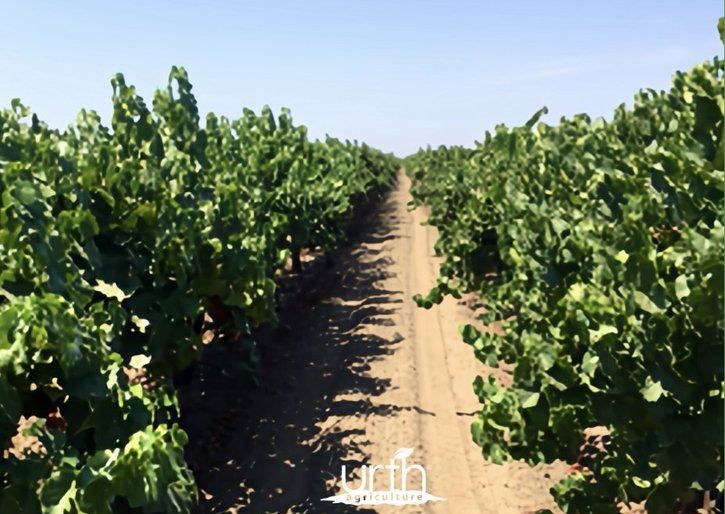
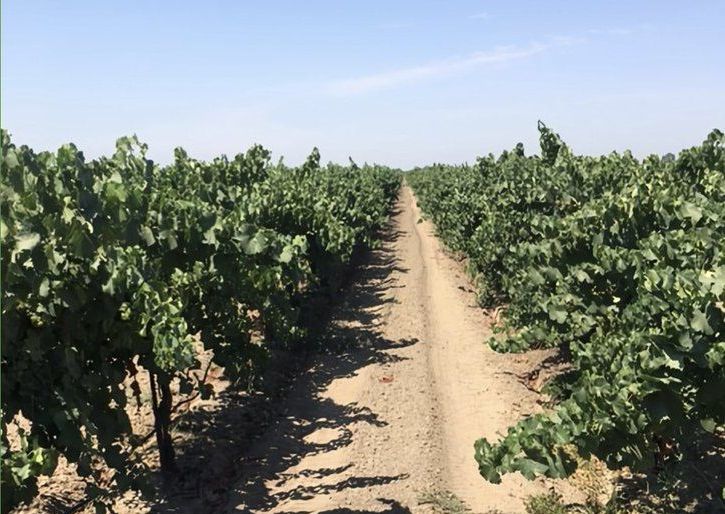 Treated
Untreated
Treated
Untreated
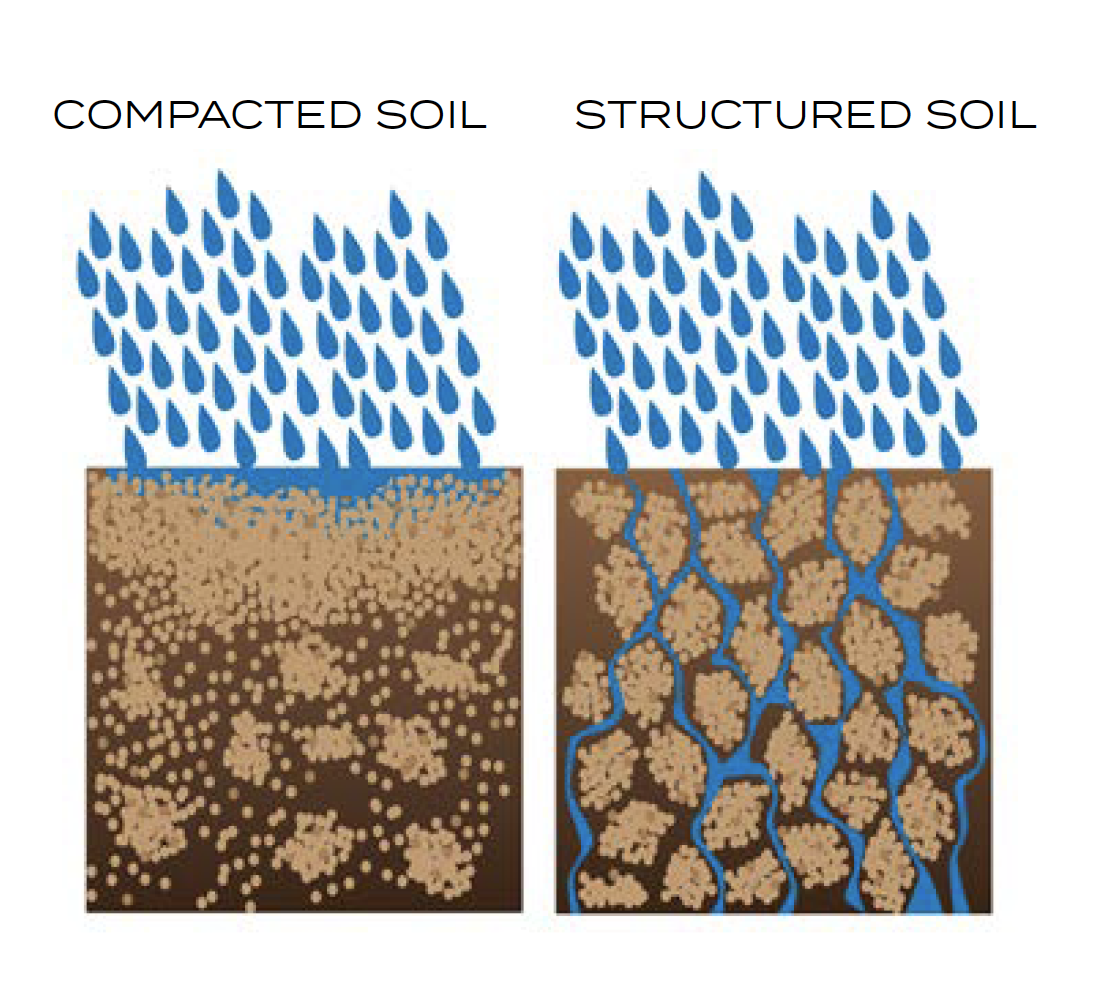
The first thing we look at on a farm is soil structure. It determines the ground’s ability to hold air, water and life, and it’s a simple measure of soil health.
Tight, compacted soil with small pore spaces restricts air and water. More open soil lets particles, solutes and air pass through. Poorly structured soils have smaller aerobic zones and are poor environments for roots and microbes, which need a deep aerobic zone to survive, thrive and store nutrients.
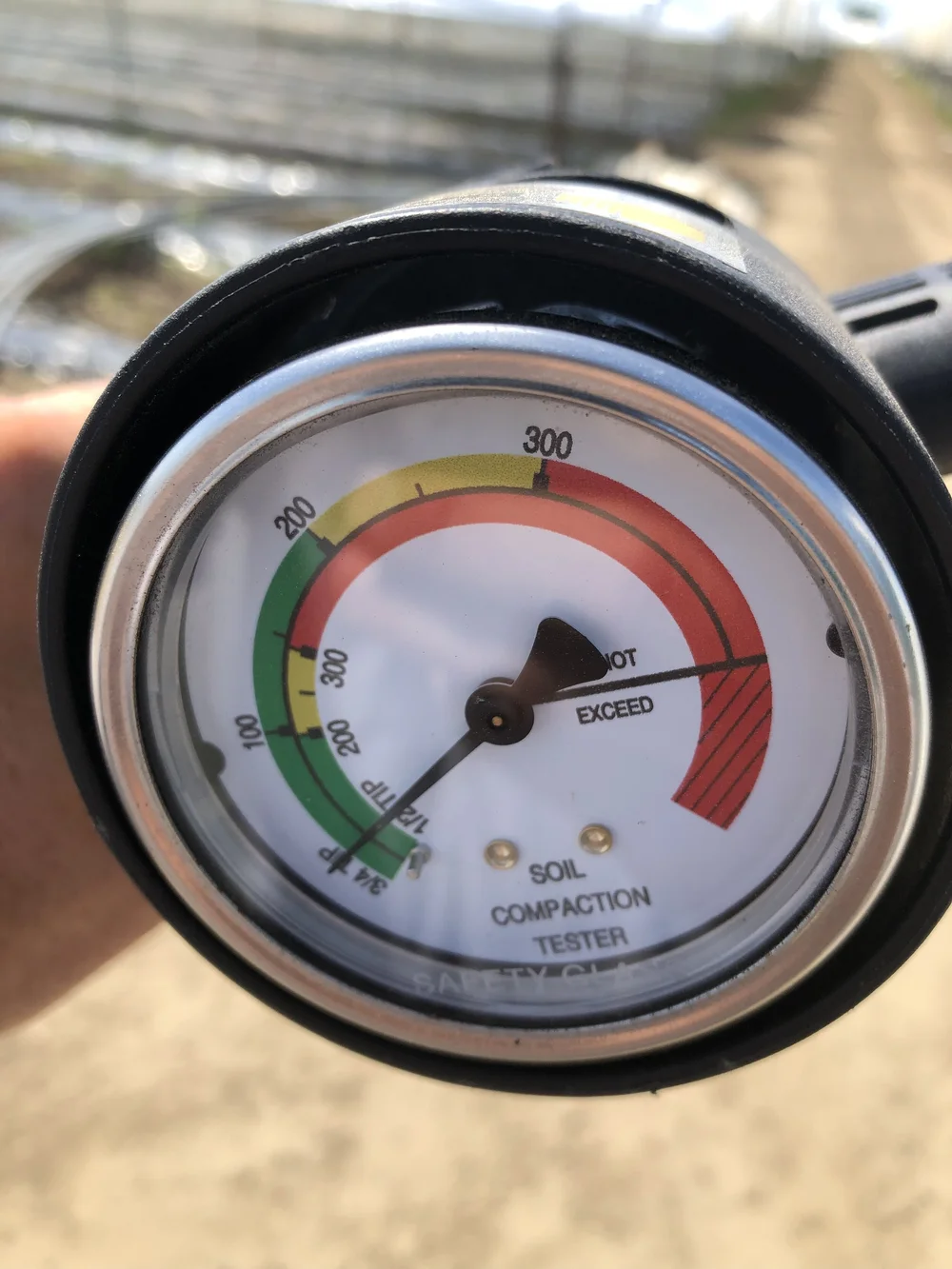
A penetrometer measures soil pressure and tells us how deep the aerobic zone goes. Generally the aerobic zone is soil under 300 psi.
After years of common practices and chemical applications, the vast majority of soils we see are compacted and not providing good environments for microbial life and healthy plant growth. We can fix soil compaction with our compaction protocol.
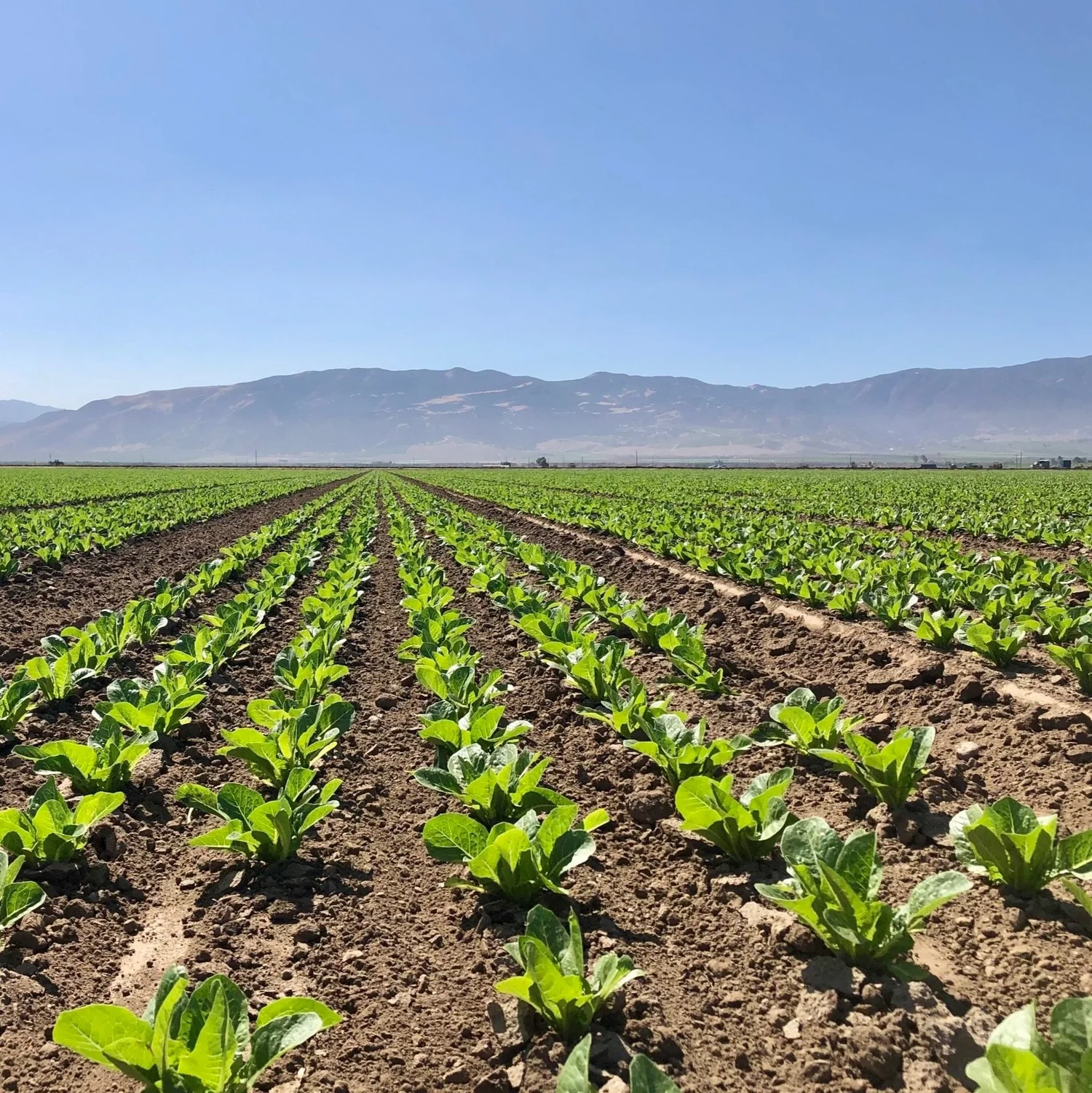
Soils improve when we change the ratio of minerals and their electrical charge, measured with an EC meter. Our compaction protocol rehabilitates soils to reach mineral ratios that leave them flocculated.
Flocculated soils are high in available calcium and electrically strong, the environment soil microbes need to proliferate. Their colloids don’t disperse when saturated; they clump together, increasing pore space and deepening the aerobic zone.
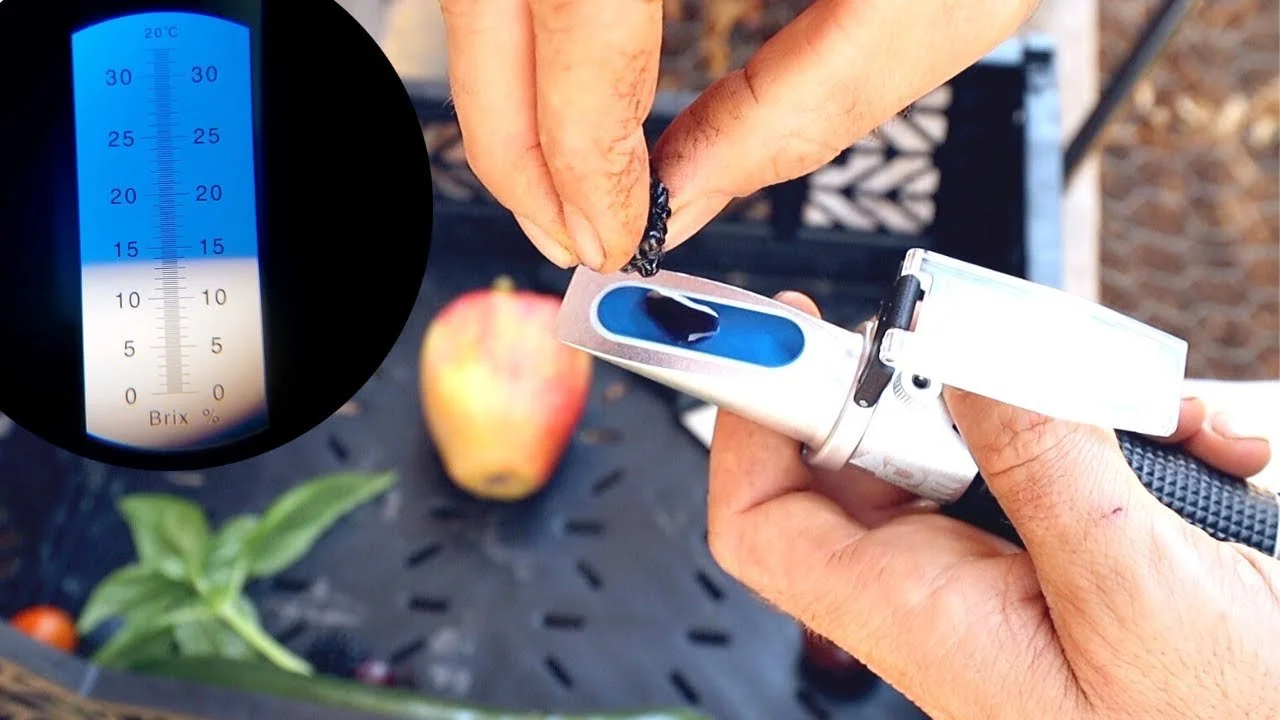
Higher °Brix means sweeter, more mineral-rich crops, better resistance to post-harvest disease, lower water loss in storage and a lower freezing point. It’s also an early indicator: you can often predict problems by measuring °Brix before they become yield losses.