01
Measuring needs vs. results
Systematic soil testing and analysis before and throughout the growing season gives critical insight into field-specific soil and growing conditions, plant and crop quality, and more.
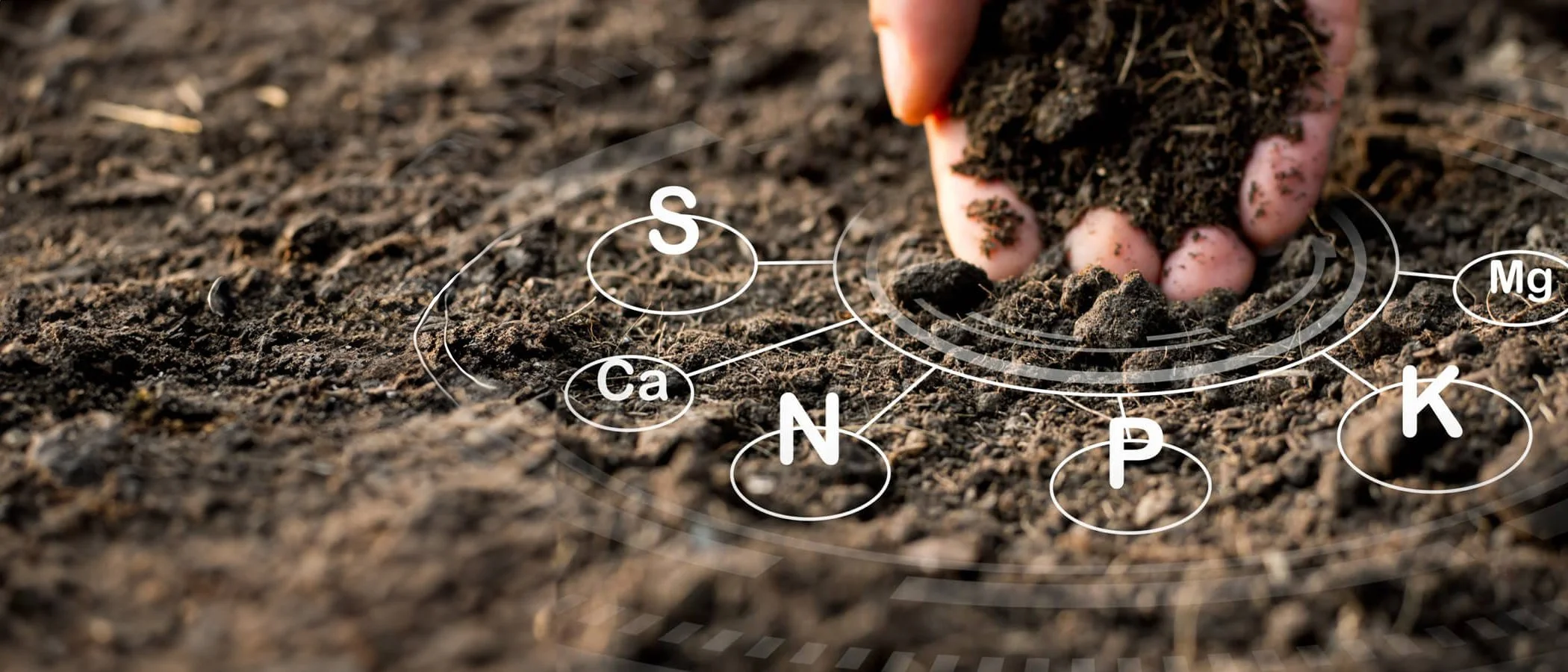

Testing before and throughout the season turns soil health into numbers you can track, and shows exactly what our products are doing in your ground.
Our testing has produced valuable data on Urth products and protocols across more than 30 different crops.
Systematic soil testing and analysis before and throughout the growing season gives critical insight into field-specific soil and growing conditions, plant and crop quality, and more.
Soil samples set baseline values for nutrients and chemistry. Mehlich 3 extraction shows what’s present in the soil; a saturated paste test shows what’s soluble and bioavailable. We look at SOM, pH, exchange capacity, macro and micronutrients, density, NPK and the carbon to nitrogen ratio.
Penetrometer compaction tests and EC meter readings tell us about structure and energy in the soil. Refractometer °Brix readings show plant health and nutrient density. With your goals and feedback, these direct the protocols we recommend.
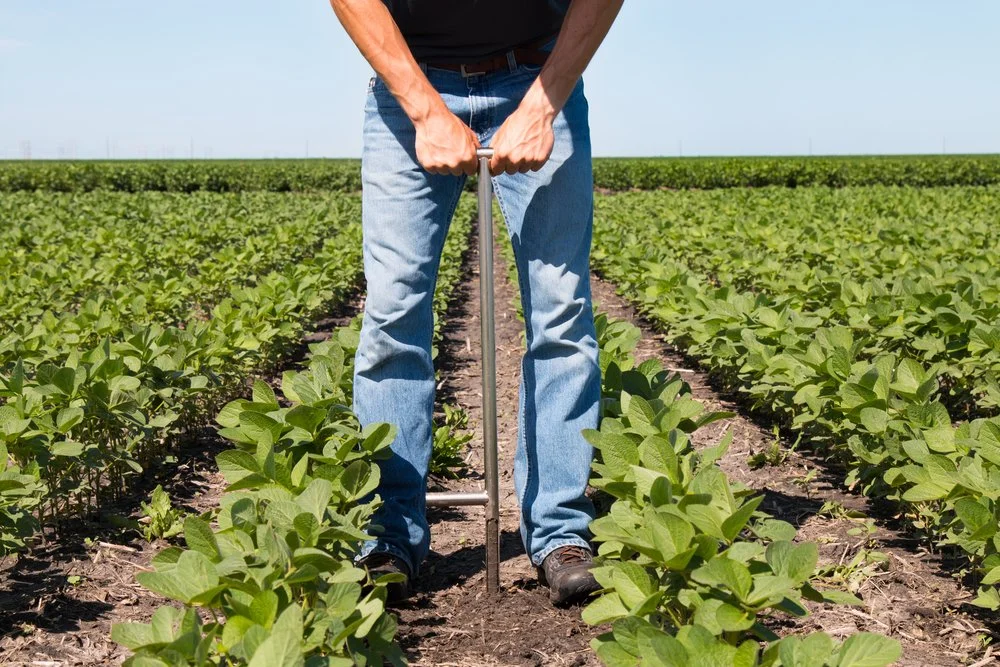
Through the growing cycle we keep working with growers to monitor and record field conditions, crop development and harvest data.
Increases in yield quantity and quality, including °Brix, along with lower overall input costs, are what make us a compelling economic partner. Here are examples of soil reports from US customer farms.
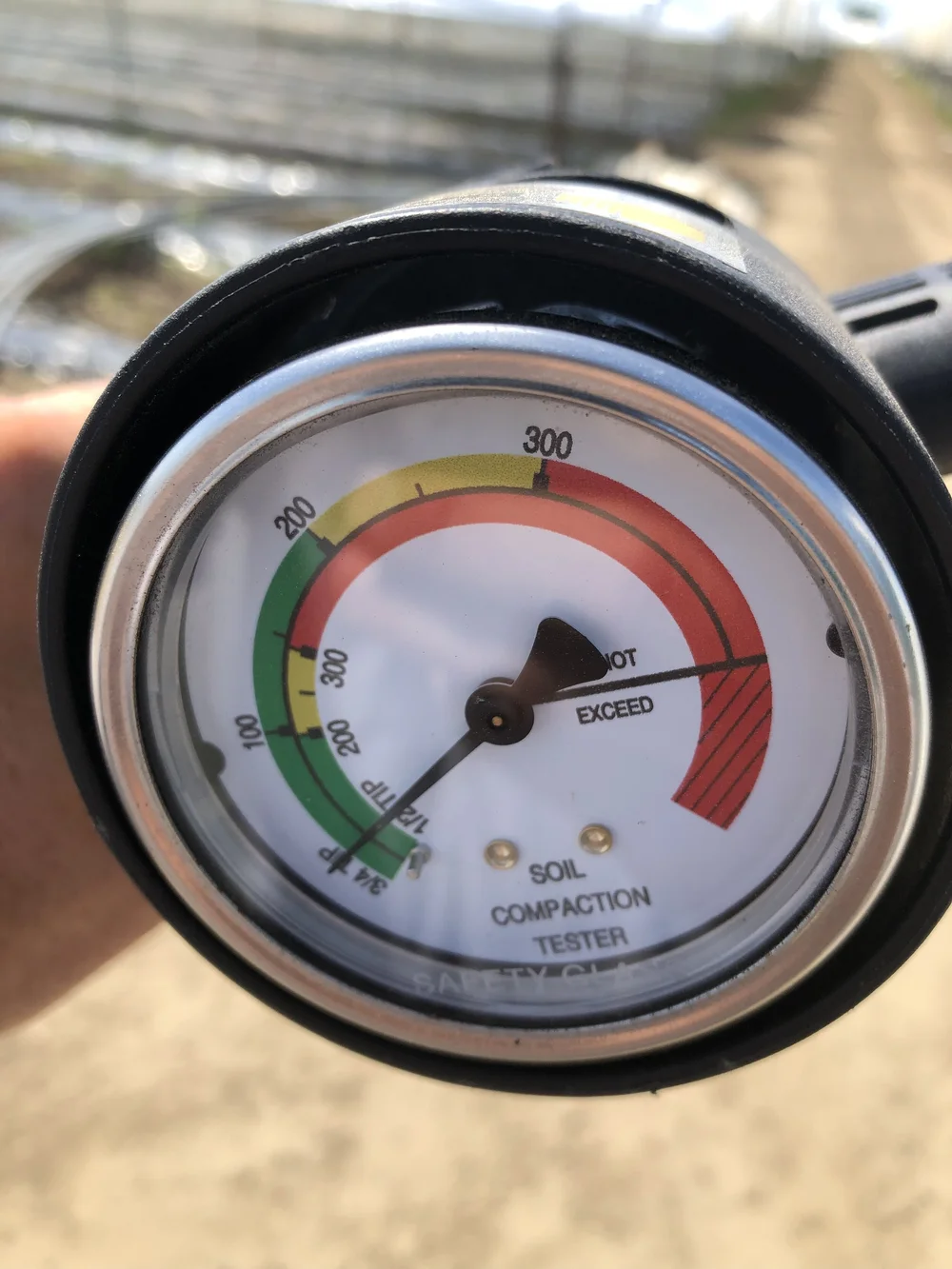
Push the penetrometer into the soil until it reads 300 psi, then measure the depth. That is how deep plants can send feeder roots: the aerobic zone. Today most aerobic zones are 2–3 inches deep. Years ago, 5–7 inches was common.
Soil structure results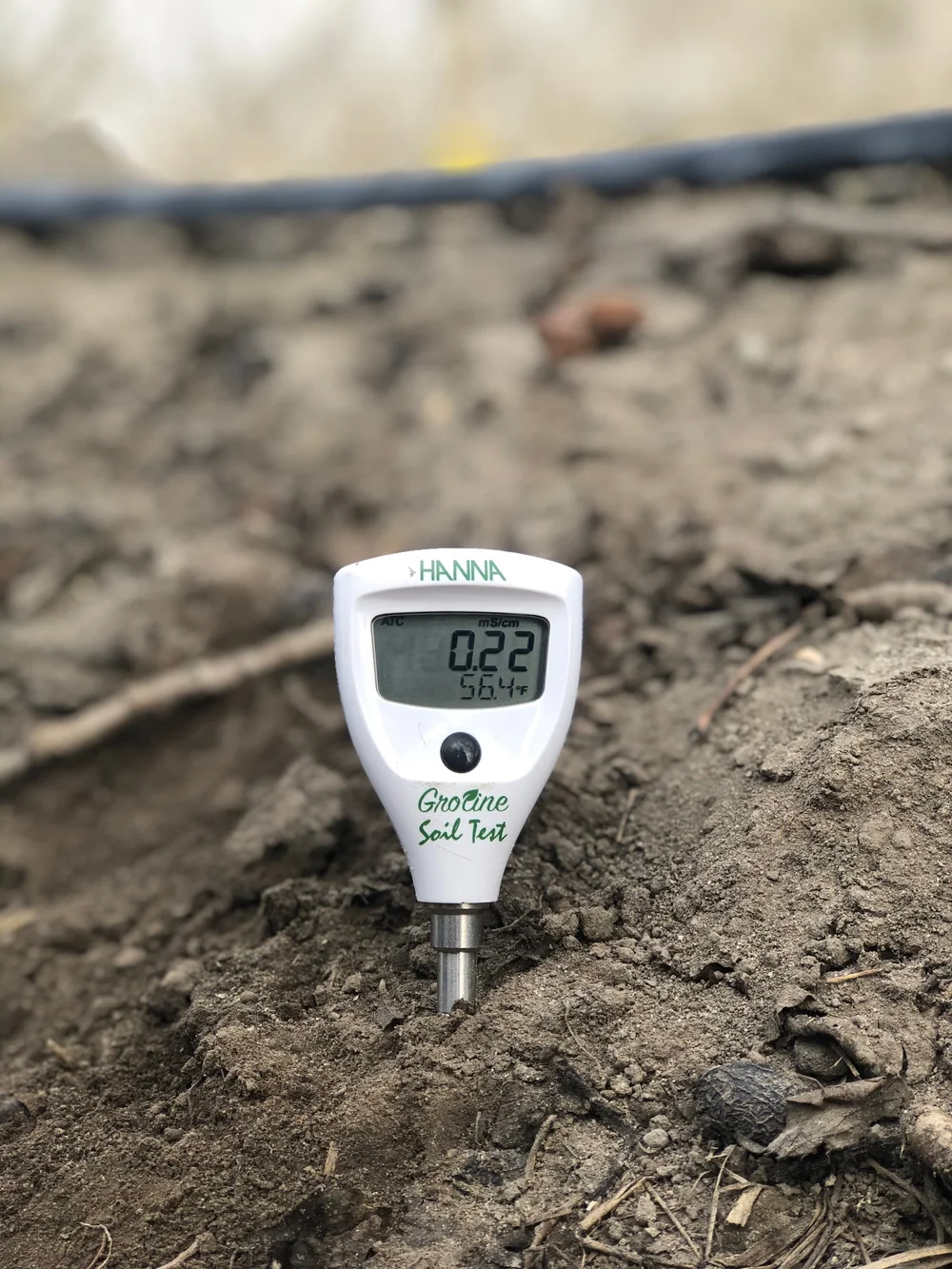
Conductivity is the amount of energy in the soil. Plants need 200–400 ergs at germination, rising to about 800 during seed fill. Soils above 1,000 are generally compacted and too “hot.”
Learn about EC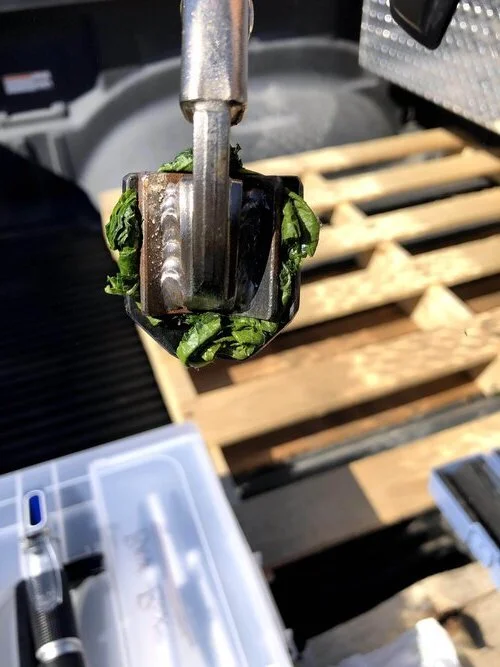
°Brix measures the sugar in plant sap, made through photosynthesis. Higher readings track directly with plant health. Take readings on a sunny day between 11 am and 4 pm, when sugar content peaks.
Learn about °BrixWe’ll test your ground, recommend a protocol and track the results with you.